The problem is rarely the problem; 99% of the problem is caused in your head by you and your thoughts. 1% of the problem is caused by reality, what actually happens, and the outcome. Most of the time the problem isn’t the problem. The way you think about the problem is.
This reminded me about a girl I knew; let’s call her Clara. She had a reputation for being exceptionally level-headed and calm in the face of trouble. She did not live in a trouble-free world, having been born to a very poor family and now working as a maid, but she understood that the problem is rarely the problem itself.
One day, we got news of an impending super typhoon. The sky grew darker, and the wind whispered bad tales. As we were anxiously preparing, Clara remained strangely composed.
“Clara, aren’t you scared? The storm is coming, and it looks fierce!,” asked one of our cousins.
Clara replied, “Tars, my dear, chill; the problem is rarely the problem. Let’s not let our thoughts drown us before the storm even arrives.”
Clara gathered the cousins. She reminded us that the challenge lies not in the storm itself, but how we react to it.
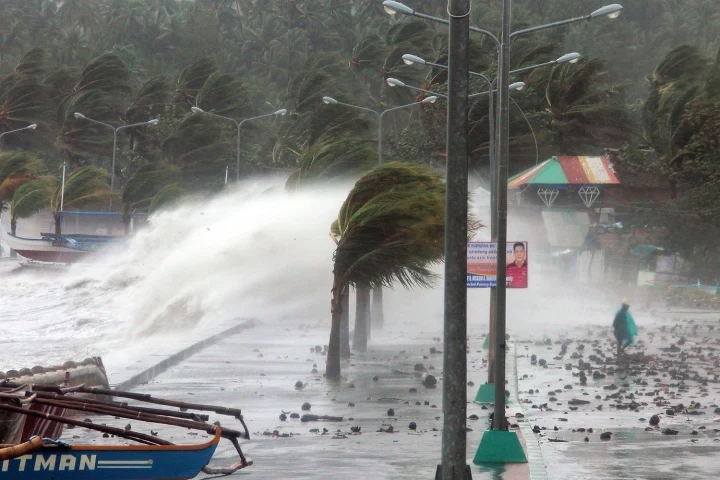
As the first raindrops fell the cousins were busy — with their toys. We enjoyed the company. And to our non-surprise, the storm just meant more time to play indoors. To this day, me and my cousins associate typhoons with toys.
True power lies in transforming challenges into opportunities. And also something else that we failed to notice: Clara and the grown-ups were busy securing the windows and provisions and doing all sorts of things in case of power outage or flood, but no one was making a big fuss of it.
As the wind howled and rain beat down, it’s the adults, with all their responsibilities, who had reason to worry the most. But in the end the skies cleared for everyone.
In fairness, this event happened on high ground. Had this happened in some place like Marikina the best thing would have been to evacuate. Overthinking can also give way to the opposite, underthinking, when we resort to wishful thinking and do nothing out of fear or inertia.
In any critical event, give it time, and silence. Most problems aren’t solved with more thinking, but with less. If you can’t solve a problem stop trying to.
Instead, act. Taking action is the best way to think.
(Q.C., 240104)
 jaylazzo
I agree, some of us are worried about a problem long before it happens.
LikeLike