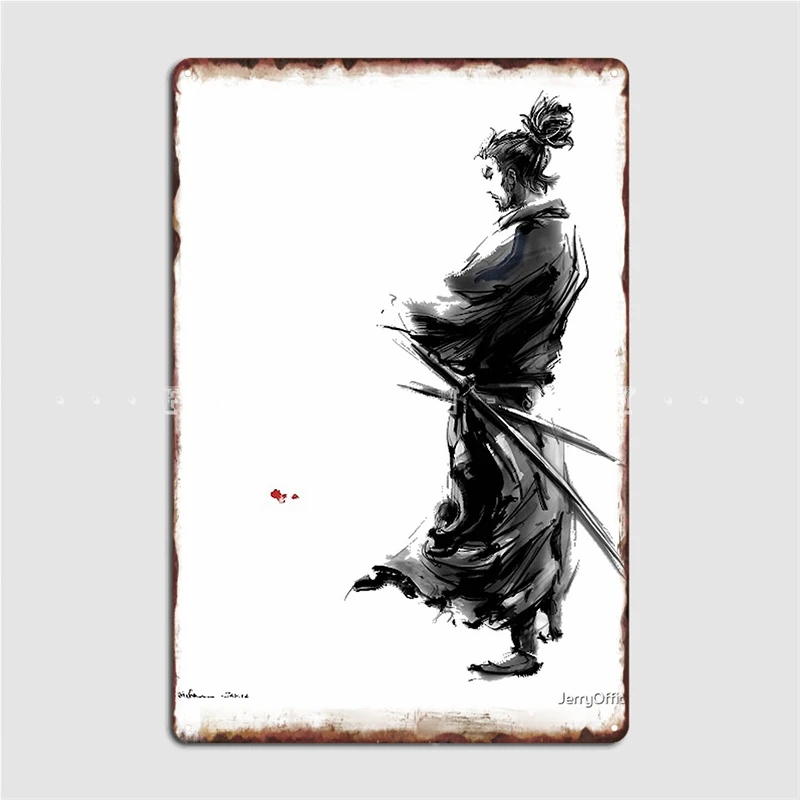
Wabi-sabi is a Japanese concept and aesthetic that embraces the beauty found in imperfection, impermanence, and simplicity. It is rooted in Zen Buddhism, its quintessential example the Japanese tea ceremony. This beautiful tradition emphasizes harmony, respect, purity, and tranquility. Wabi-sabi helps us to appreciate the natural cycles of life and to find meaning in the imperfect and the transient.
I do a number of activities to live wabi sabi.
I embrace imperfection. Persian rug makers are said to always introduce a slight flaw in their work, reasoning that only God is perfect. Also, a work that has no flaws was probably spitted out by a machine. Imperfections in objects and people form make them unique, including my own vices and gaps in knowledge and skills. Embracing imperfection is not a formula for laziness, though. But embracing them gives me a sense of control that I will need to act on them as needed, whether to let them go or to neutralize them. For now.
I live simply. I have what I need — not a lot — and I have few wants: gym membership, books, writing implements, my guitar among them. I need to declutter some parts of my physical and mental space, and balance quantity and quality in the use of my time. Although I have many acquaintances and associates that I spend lots of quality time with, I have few friends, most of whom I see only occasionally.
I try to be present. It can be hard for me sometimes to avoid dwelling on the past or worrying about the future, but I know that this behavior is damaging. To balance these forces, I place quiet moments at strategic points of the day. I pray, have lunch away from the office, go to the gym — without my cell phone on me —, and practice writing and guitar. I value time spent with my few friends even though I do not see them often. I think of nothing else during these times.
I accept impermanence. I recognize that everything in life is transient and fleeting. I am not attached to most possessions, relationships, or achievements. Detachment is not irresponsibility. I protect my property and work like crazy out of personal accountability. I am therefore least attached to honors and accolades — they are the result of others’ opinions of me, I don’t have control or accountability another’s opinions.
I connect with nature. I live and work in a city. Yet even from a cafe table I observe the organic, imperfect beauty of people in their ecosystem, their behavior, their interactions. I observe interactions that suggest symbiosis, mutualism, and even parasitism and predation. On the streets I see life, decay, and renewal, in the closing of businesses and the opening of new ones, in how people dress up to hide their age, or to find mates. And yes, when I get the chance, I also walk through vegetated parks.
I try to cultivate humility. This is not so hard as it sounds once I recognize that I am inescapably imperfect and ever-changing. I’m not what I was yesterday; I’m worse in some ways, better in others. It’s hard sometimes to have self-compassion, especially when I see how little I am in the face of challenges. It can be hard to ask for help, or to understand people who seem to act out of malice or stupidity. I try to assume that everyone, like me, is just trying to solve their problems. I try to learn from my mistakes.
I practice mindfulness and meditation. I treasure the times I spend in prayer, weightlifting, writing and practicing guitar. They’re not pleasant if I also have to respond to my phone. So I hide it. When writing, I sometimes use a software called JDarkroom, an 80’s style interface with no icons. Or best, write long hand on a journal.

I love these activities. Am I healthier, more at peace by doing them?
I don’t know.
(Q.C. 230318)


 jaylazzo