I recently subscribed to this channel: @InspiredGreatness. I got here researching material for a talk on leadership.
According to the clip (https://www.youtube.com/shorts/vTiyJKSWlQI?feature=share) on “4 Rules to Become More Charismatic”, if you want that, here are 4 fixes.


Bill Clinton (Image: https://ids.si.edu/ids/deliveryService?id=NPG-NPG_93_TC17)
Steve Jobs (Image: https://upload.wikimedia.org/wikipedia/commons/thumb/d/dc/Steve_Jobs_Headshot_2010-CROP_%28cropped_2%29.jpg/330px-Steve_Jobs_Headshot_2010-CROP_%28cropped_2%29.jpg)
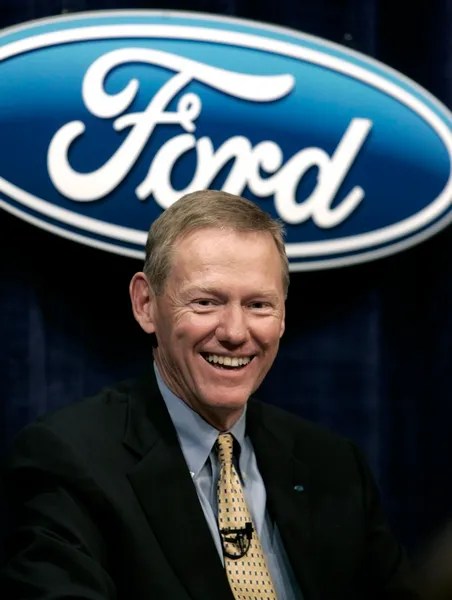
Allan Mulally (Image: https://www.heraldtribune.com/gcdn/authoring/2006/09/06/NSHT/ghows-LK-1d7bb5cd-450b-4fcb-90f1-8cf5eddb53bd-40c44665.jpeg?width=1200&disable=upscale&format=pjpg&auto=webp)
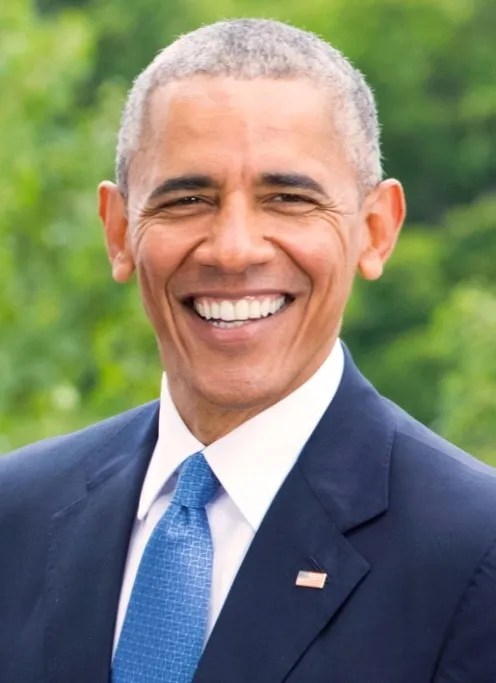
Barack Obama (Image: https://i0.wp.com/booksofbrilliance.com/wp-content/uploads/2022/07/Barack_Obama_in_2016.jpg?fit=496%2C683&ssl=1)
#1 Do not divide your attention
An anecdote is told about former U.S. President Bill Clinton, often cited as a charismatic leader. This incident happened at a White House Correspondents’ Dinner.
During dinner, a journalist had a brief opportunity to speak with President Clinton. The room was filled with hundreds of people all engaging in various conversations, with the background noise almost deafening. Yet, when the journalist started speaking with Clinton, he noticed something remarkable. Despite the hustle and bustle of the event, Clinton gave him his complete, undivided attention. Clinton didn’t glance around the room, didn’t look over the journalist’s shoulder for the next person to talk to, and didn’t interrupt. He simply listened.
The journalist later reported that he felt like he was the only person in the room during that conversation. He was deeply impressed and influenced by Clinton’s ability to block out all other distractions and focus completely on their conversation.
By focusing on one thing at a time – in this case, a conversation – Clinton was able to make the person he was speaking with feel seen, heard, and important. This is a crucial aspect of charisma, and it demonstrates the wisdom of the advice, “If you listen, listen.” Doing one thing at a time and doing it completely can have a profound impact on how others perceive us.
#2 Make decisions, stick to them, and take responsibility for them
One compelling anecdote is the story of Apple’s late CEO, Steve Jobs regarding the development of the iPhone.
Jobs, with his talent for predicting what consumers would want before they knew it themselves, decided in the early 2000s that Apple would enter the mobile phone industry. This decision was met with considerable skepticism, both internally and externally. After all, Apple was a computer company, not a telecommunications company. The mobile phone industry was already crowded, and it was dominated by giants like Nokia and Motorola.
Jobs, however, had a vision. He didn’t just want to create another phone; he wanted to create a phone that would revolutionize the industry.
Jobs stuck with his decision, in spite of the numerous challenges the team faced during the development phase. These ranged from technical issues (like creating a touch-screen interface that could handle multiple points of contact), to design obstacles (like crafting a device that was sleek and user-friendly). There were numerous times when the entire project could have been scrapped, but Jobs held firm.
When the iPhone was launched in 2007, it was far from perfect. Yet, instead of shirking responsibility for the device’s flaws, Jobs acknowledged them and promised improvements. Over time, the iPhone was refined and it ultimately reshaped the mobile industry, solidifying Apple’s place as a leading innovator in tech.
Jobs’ decision, his persistence in the face of adversity, and his willingness to take responsibility for the end product are all testament to his charismatic leadership. He demonstrated the power of decisiveness, commitment, and accountability, all crucial qualities for those who aim to lead and inspire others.
#3 Listen first, speak later
Consider the example of Alan Mulally, the former CEO of Ford Motor Company.
When Mulally took over as CEO in 2006, Ford was in serious trouble. They had lost market share and were facing losses amounting to billions of dollars. Mulally, however, didn’t rush in with immediate solutions. Instead, he took the time to listen and understand the problems from the inside out.
One of the first things he implemented was a weekly meeting with all the top executives. Rather than leading with his own opinions, he encouraged every executive to share their insights and problems. These meetings were designed to give everyone a voice and to facilitate open, honest communication.
One notable anecdote from this period is a story involving Mark Fields, who later succeeded Mulally as CEO. In one of these meetings, when all the other executives were claiming that everything was going well in their divisions, Fields admitted that a launch of a new model had to be delayed because of serious issues. Instead of criticizing Fields for the delay, Mulally applauded him for having the courage to be honest and transparent about the problem.
By creating an atmosphere where people felt safe to voice their concerns and problems, Mulally was able to gather a clear, unfiltered understanding of what was happening at Ford. This informed his strategic decisions, which included focusing on the Ford brand and selling off other brands like Jaguar and Aston Martin.
These measures ultimately led to a successful turnaround at Ford. Mulally’s approach demonstrates the power of listening before speaking. His leadership helped create an environment of trust and openness, which are crucial for the success of any organization.
#4 Speak low, walk slow
A clear example is former U.S. President Barack Obama. Known for his charismatic presence, Obama has a distinctive speaking style that includes slow, thoughtful delivery and regular pauses.
During his 2008 presidential campaign and subsequent terms in office, Obama became known for his ability to inspire and influence through his speeches. One reason for his effectiveness as a speaker is his deliberative pace. Obama often pauses between sentences and even in the middle of sentences, giving weight to his words and allowing his audience time to absorb his message.
Consider his speech on the night of his election victory in 2008. He delivered a profound, impactful message that resonated deeply with the American public and the world at large. Yet, he did not rush through his words. Instead, he used measured, unhurried speech, which amplified the power and resonance of his message.
Similarly, Obama’s movements and body language typically exude a calm, collected demeanor. His stride is confident and unhurried, whether he’s walking on stage for a speech or disembarking from Air Force One. This measured physical presence complements his speaking style and contributes to his overall charisma.
This slow, deliberate style of speaking and moving can convey a sense of calm, control, and authority.
Note: The “Russian Mafia boss” played by Finnish actor Andrej Kaminsky was probably inspired by real life mob boss Semion Mogilevich, a Ukrainian.)

(Calamba, 230727)
 jaylazzo